






A hose clamp is a small part with a big job. It is the only thing stopping a radiator hose, irrigation line or exhaust from leaking or blowing off. Picking the right type and size takes a minute and saves a lot of mess.
Worm-drive hose clamps
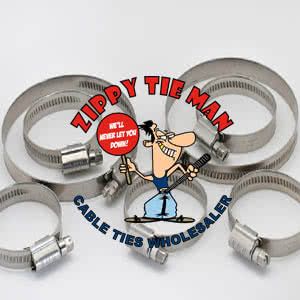
The most common clamp is the worm-drive (or worm-gear) type: a stainless band with slots and a screw housing that pulls the band tight. They are adjustable over a range, easy to fit with a screwdriver or nut driver, and reusable.
Why German-style clamps?
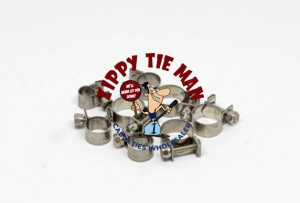
German-style clamps have a smooth, non-perforated band. The worm presses on pressed-in threads instead of cut-through slots, so the band does not bite into soft hoses and the clamping pressure is spread more evenly. They are a favourite for silicone hoses, automotive coolant lines and anything that gets clamped and unclamped often.
How to measure for a hose clamp
- Fit the hose onto the pipe or barb first.
- Measure the outside diameter of the hose where the clamp will sit.
- Choose a clamp whose range puts that measurement in the middle, not at either end. A 10 mm to 16 mm clamp is ideal for a 13 mm hose.
Tip: on rubber hoses, tighten until snug and then go about half a turn more. Over-tightening cuts into the hose and causes the leaks you are trying to stop.
Choosing the band material
- 304 stainless steel suits most automotive, garden, pool and plumbing work.
- For marine or very corrosive environments, check the clamp is fully stainless, including the screw.
Fitting checklist
- Sit the clamp 3 mm to 6 mm from the end of the hose, over the pipe, not over the end.
- Position the screw where you can reach it again later.
- Re-check coolant hoses after the first heat cycle, as rubber settles.
See our range of German 304 stainless steel hose clamps in sizes from small fuel lines to large ducting.
